
AI Chatbots for Hotels and Travel Agencies: Answer Guests 24/7 and Win More Direct Bookings
Guests writing at midnight in five languages, a front desk buried in repetitive questions. Here's how a well-configured AI chatbot answers for you and turns conversations into direct bookings.

Experiences
Autore
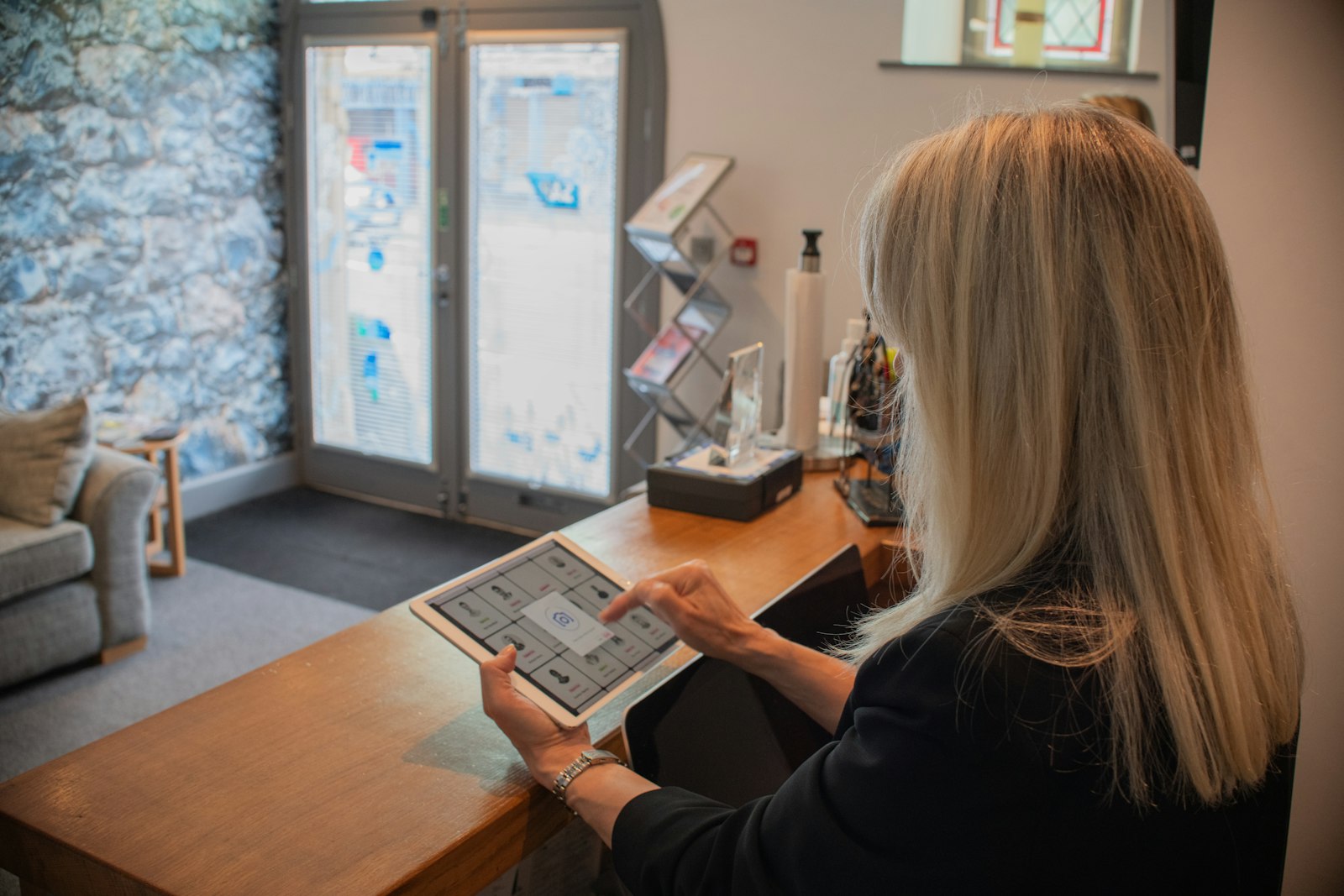
It’s 11:40 pm. A couple in Toronto is comparing three hotels in Naples for next May, and they have a simple question: is there a partner car park? The first hotel doesn’t reply until morning. The second points them to a contact form. The third answers in ten seconds, in English, with a link to book. Guess who gets the booking.
For hotels, B&Bs, travel agencies and tour operators, response time has become a sales factor. The problem is that no small or mid-sized business can staff phone and chat around the clock, seven days a week, in four languages. That’s where an AI chatbot stops being a gadget and becomes a sales tool.
Why this matters especially in Naples and Campania
Naples passed 20 million tourist overnight stays in 2025, up 45% on the previous year, according to the city’s Urban Tourism Observatory. Italy’s national statistics office (Istat) reports that just over 60% of overnight stays in the city are by international visitors.
In practice that means more enquiries, more languages, more time zones. Anyone working with the Amalfi Coast, Pompeii, Vesuvius or the islands sees it in their inbox every day: questions about opening hours, transfers, late check-in, accessibility, luggage, availability. Mostly the same questions, but each one still needs an answer.
What an AI chatbot for tourism actually does
A modern chatbot isn’t the old button menu with canned replies. Built on a language model and “trained” on your business’s own information, it can:
- Answer naturally, in several languages, the questions guests ask most: hours, services, cancellation policies, how to get there, what a tour includes.
- Guide guests to book, sending a link to your booking engine with suggested dates and room or tour type.
- Capture contact details when the request is complex (groups, events, special requests) and hand it to your team with the full context.
- Work nights and peak hours, when the front desk is busy with the guests standing in front of it.
The numbers from those who’ve done it
A frequently cited example is GHT Hotels, a Spanish hotel group: its AI booking assistant handled more than 21,500 conversations, resolving 89% of enquiries automatically. In 2024 the chatbot generated €733,000 in direct bookings, 16% of all bookings made on the group’s website.
GHT Hotels: enquiries handled by the AI assistant (2024)
Not every property will see those volumes, but the principle holds for a six-room B&B too: every question answered on the spot is one less guest going back to a commission-based platform to book.
There’s also an operational angle. A Mews report on US hotels found that “offline direct” bookings (calls, emails, walk-ins) still make up roughly a quarter of reservations, handled by hand with no structured record. A well-integrated chatbot turns part of those conversations into usable data.
Mistakes to avoid
1. A chatbot that makes things up
The main risk with AI models is that when they don’t know something, they guess. A tourism chatbot must be set up to answer only from your business’s information and, when it doesn’t know, pass the question to a person. A wrong price or a non-existent service costs more than an unanswered question.
2. No route to a human
Guests must always be able to reach someone: WhatsApp, email or phone. The chatbot filters and prepares; it doesn’t replace the personal touch that remains one of the strengths of Italian hospitality.
3. Exposed keys and data
Many DIY widgets load the AI service’s API key straight into the page code, where anyone can copy it. Calls to the model should go through your server. Your privacy policy should also explain how conversation data is handled.
4. A widget that slows the site down
A heavy script loaded on every page hurts load times and, with them, your Google rankings. Load the chatbot lightly, ideally only when the visitor opens it.
Where to start: a 5-step checklist
- Collect your 30 most frequent questions from the last six months of emails, WhatsApp messages and reviews.
- Write the official, up-to-date answers: they become the chatbot’s knowledge base.
- Decide what the chatbot must not do: confirm unpublished prices, promise availability, handle complaints.
- Connect it to your direct booking channel, not to a third-party platform.
- Read the conversations every week for the first month: they’ll tell you what’s missing from your website.
Frequently asked questions
Does an AI chatbot replace front desk staff?
No. It absorbs repetitive questions and works out of hours, so your team can focus on guests on site and on requests that need a person.
How many languages can it handle?
Current language models understand and reply in the main European and Asian languages. It’s still worth checking answer quality in the languages of your key markets.
Do I need a special website to install it?
No. It integrates with WordPress and most modern websites. What matters is that it’s installed securely and kept lightweight.
Want to see an AI chatbot at work on your website? Experiences Srl builds multilingual virtual assistants for hotels, travel agencies and tour operators, connected to your direct booking channels. Try the demo or get in touch.
Sources
{ “@context”: “https://schema.org”, “@type”: “FAQPage”, “mainEntity”: [ {“@type”: “Question”, “name”: “Does an AI chatbot replace front desk staff?”, “acceptedAnswer”: {“@type”: “Answer”, “text”: “No. It absorbs repetitive questions and works out of hours, so your team can focus on guests on site and on requests that need a person.”}}, {“@type”: “Question”, “name”: “How many languages can it handle?”, “acceptedAnswer”: {“@type”: “Answer”, “text”: “Current language models understand and reply in the main European and Asian languages. It’s still worth checking answer quality in the languages of your key markets.”}}, {“@type”: “Question”, “name”: “Do I need a special website to install it?”, “acceptedAnswer”: {“@type”: “Answer”, “text”: “No. It integrates with WordPress and most modern websites. What matters is that it’s installed securely and kept lightweight.”}} ] }
Scritto da
Experiences
Esperto di digitalizzazione per il turismo. Aiuta hotel, agenzie e tour operator a crescere online con Channel Manager, SEO e AI.
Vuoi applicare queste strategie al tuo business?
Richiedi un'audit gratuito del tuo sito. Analizziamo dove perdi prenotazioni e ti diciamo esattamente cosa fare. Senza vincoli.